














In an era of rapid technological leaps, AI-Native Smartphone has become a new standard that is radically transforming the global mobile device industry. It’s not just about installing AI applications on devices as before, but about designing both hardware and software architectures to integrate with AI from the ground up. This technology is being driven by chipset makers and leading smartphone brands to elevate the user experience—making it smarter, faster, and capable of responding to consumer needs in real time. This article dives into what this technology is and why new smartphones cannot do without it.
📍 Deep dive into what next-generation smartphones mean
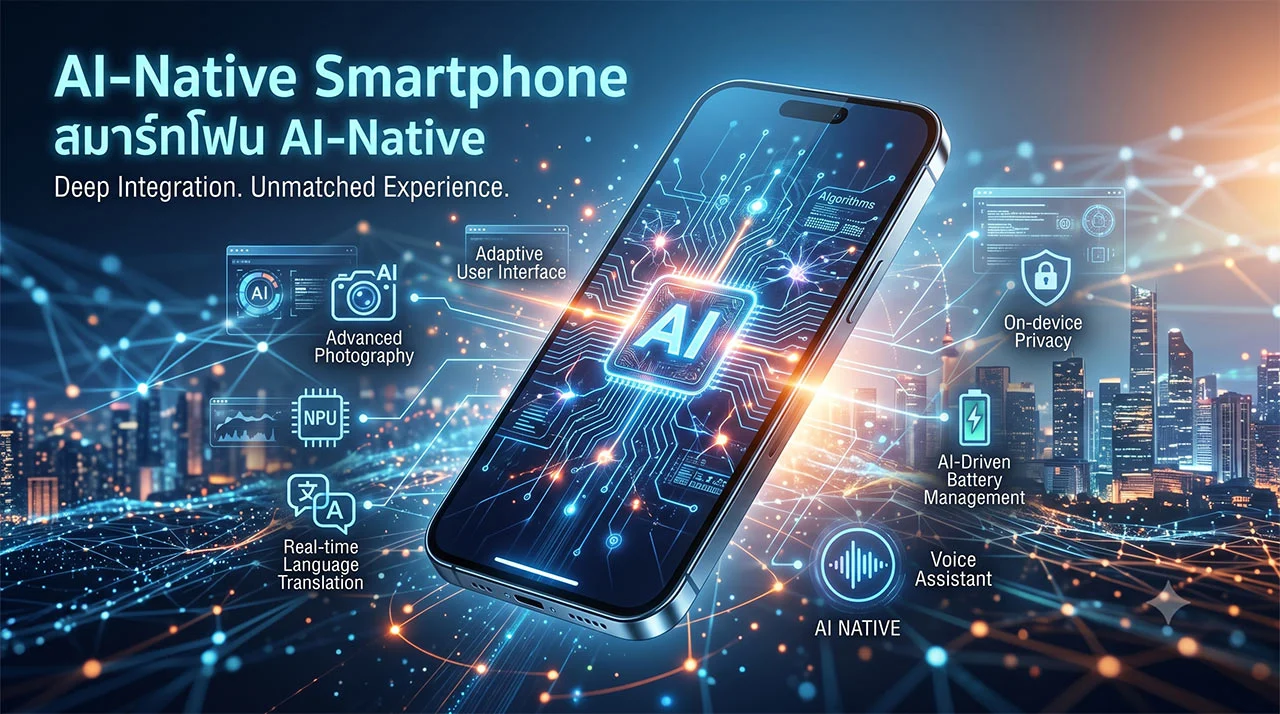
In previous smartphone eras, complex processing—such as real-time language translation or generating graphics from voice commands—often relied on sending data to cloud servers, which introduced latency and posed privacy risks. For AI-Native Smartphones, systems are designed to support on-device AI processing (On-Device AI) directly on the device.
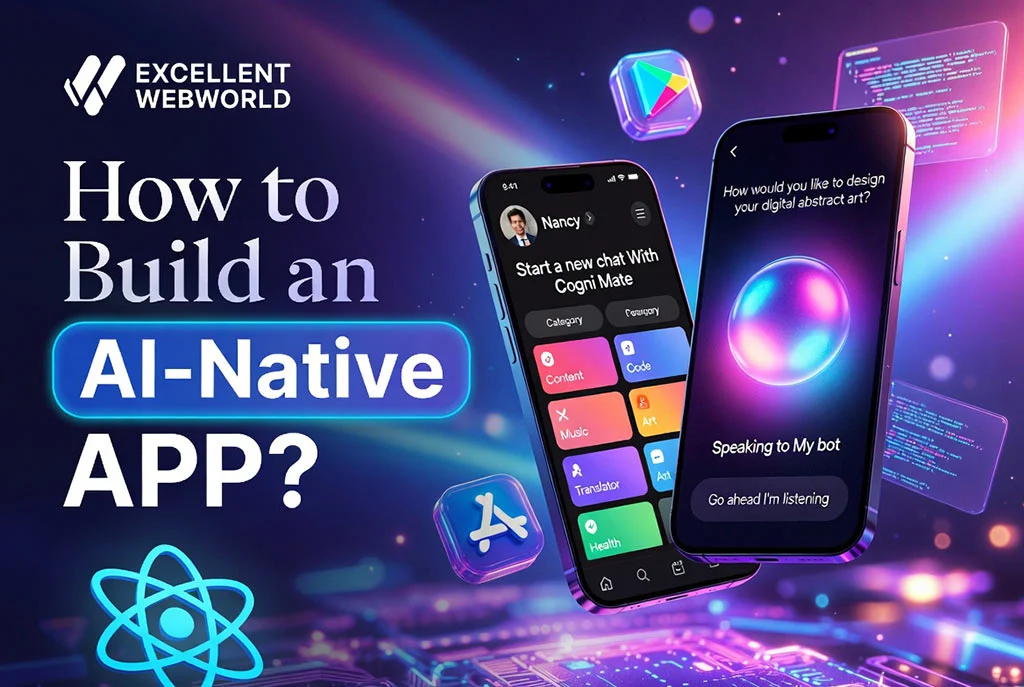
The key enabler is the development of processing chips called NPUs (Neural Processing Units), integrated alongside the CPU and GPU in the device. NPUs are specialized for handling machine learning and deep learning algorithms, allowing smartphones to learn user behavior, recognize usage patterns, and process complex tasks quickly—without requiring constant internet connectivity.
⚙️ How it works and its impact on the mobile industry
The shift to AI-Native has had a major positive impact on the tech industry. IT experts assess that AI deeply embedded at the operating system (OS) level will enable optimal resource management within devices. For example, AI can intelligently allocate battery power by learning which apps a user typically opens at certain times and automatically reducing power for background apps that aren’t needed.
In addition, software developers must adapt to build apps that maximize NPU performance, leading to a continuous stream of new features—such as cameras that adjust lighting and shadows pixel by pixel to suit the environment, or voice assistants that understand conversational context more naturally. These are all outcomes of integrating AI as a core part of the device.
🚀 Flagship features that transform the user experience
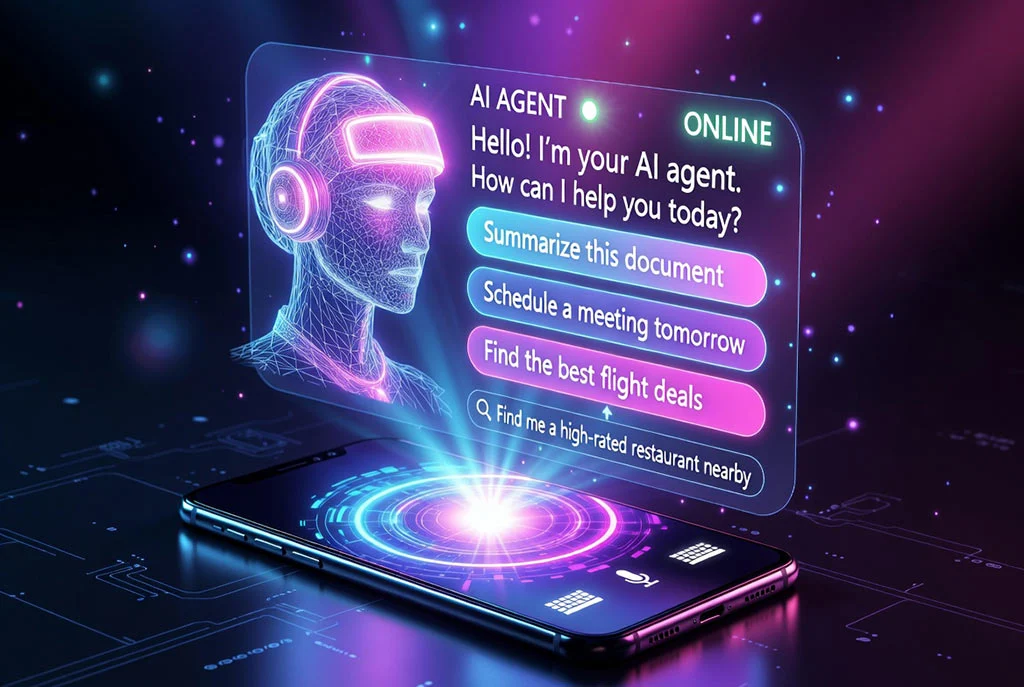
From a consumer perspective, AI-enabled smartphone features focus on simplifying use and improving security. Notable examples include:
- Generative AI Editing: Advanced image editing capabilities, such as removing unwanted objects from photos, filling or replacing backgrounds, or realistically and quickly extending image boundaries.
- Real-time Translation & Transcription: Translating languages and transcribing speech to text during live calls without needing to load data from the internet, effectively breaking down language barriers.
- Contextual Awareness: The system evaluates the user’s situation—for example, if the user is driving the AI can read incoming messages aloud or limit unnecessary notifications to maximize safety.
❓ Frequently Asked Questions (FAQs about AI smartphones)
1. How does an AI-Native Smartphone differ from a regular smartphone? The clearest difference is that AI smartphones include dedicated hardware (NPU) and an operating system designed for on-device AI processing (On-Device), which enables faster and more secure performance without relying on constant internet connectivity like older models that send data to the cloud.
2. Does on-device AI processing drain the battery faster? On the contrary, this technology can improve battery efficiency because NPUs are designed to handle AI tasks with lower power consumption than general-purpose CPUs. Additionally, AI helps manage background processes, making overall energy use more efficient.
3. How secure is personal data when AI learns user behavior? Security is generally much higher because on-device AI processes and learns locally within the device, without sending personal data, photos, or usage patterns back to central servers without permission.
📌 Summary of the future direction of AI-Native Smartphones and new phones
The conclusion for today’s mobile technology landscape is that AI-Native Smartphone is not merely a passing trend but an inevitable evolution of new phones. Seamlessly integrating artificial intelligence with hardware not only boosts performance and user data security, but also opens the door to mobile innovations we may not yet have imagined. In the near future, smartphones at every level—from entry-level to flagship—will likely include this technology as a standard feature. Those who adapt and understand it early will have an advantage in applying it to everyday life and work.
Which AI smartphone features do you think are most essential to your daily life? Comment and share your thoughts below, and don’t forget to share this article so your friends can stay updated on the latest mobile technology trends!